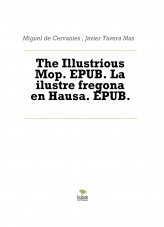




Mop mai ban mamaki.
Javier Tavera Mas

“La ilustre fregona” labari ne daga cikin Novelas ejemplares na Miguel de Cervantes. Yana ba da labarin Carriazo da Avendaño, [...] Ver libro



The Alhambra, located in Granada, Spain, is a stunning example of Islamic architecture and one of the most remarkable monuments in the world. Perched on a hill overlooking the city and surrounded by the lush greenery of the Generalife gardens, the Alhambra represents a unique fusion of art, history, and nature. Its origins date back to the mid-13th century, during the reign of the Nasrid dynasty, the last Muslim rulers of the Iberian Peninsula, who transformed it into a majestic palace and fortress complex that reflects their sophisticated aesthetic sensibilities and advanced engineering techniques.
The Alhambra was initially constructed as a military fortress in the early 13th century, but it gradually evolved into a royal residence for Nasrid sultans. Its name, derived from the Arabic term “Al-Qal’a al-Hamra,” means “The Red Fortress,” a reference to the reddish hue of its walls and towers. Over the centuries, it became not only a political and military center but also a cultural and artistic hub, where poetry, music, and science flourished under the patronage of the Nasrid rulers.
One of the most remarkable features of the Alhambra is its intricate architectural design. The complex consists of a series of palaces, courtyards, gardens, and defensive structures that are seamlessly integrated with the natural landscape. The Alcazaba, the fortress section of the Alhambra, offers commanding views of Granada and the surrounding Sierra Nevada mountains. Its massive walls and towers served as the first line of defense, providing security for the royal family and the city below.
Adjacent to the Alcazaba is the Nasrid Palaces, the heart of the Alhambra’s splendor. These palaces showcase the exquisite artistry and craftsmanship of Islamic architecture. One of the most famous areas is the Court of the Lions, a courtyard centered around a remarkable fountain supported by twelve marble lions. The courtyard is surrounded by delicate arcades adorned with intricate stucco work, carved wooden ceilings, and vibrant tile mosaics. Every detail reflects the Nasrid obsession with symmetry, proportion, and harmony, creating an atmosphere of serene beauty.
Another notable section is the Hall of the Ambassadors, the largest hall in the Nasrid Palaces. This grand room, with its high ceiling and richly decorated walls, served as the ceremonial space where the sultan received dignitaries and conducted official affairs. The hall’s intricate arabesques and calligraphy, combined with carefully planned lighting and ventilation, demonstrate the advanced engineering and artistic skills of its creators.
The Alhambra’s gardens, particularly the Generalife, complement the architectural splendor with a sense of tranquility and connection to nature. The Generalife, meaning “Architect’s Garden” in Arabic, was the summer residence of the Nasrid rulers and features lush patios, flowing water channels, fountains, and carefully manicured flower beds. The design of the gardens follows Islamic principles, emphasizing harmony, reflection, and the symbolic use of water as a source of life and purification.
Throughout the Alhambra, visitors encounter a profound sense of symbolism and spirituality. Calligraphic inscriptions from the Quran adorn walls and arches, reminding viewers of the divine presence and reflecting the spiritual worldview of the Nasrid rulers. Geometric patterns, floral motifs, and intricate arabesques create a sense of infinity and order, representing the harmony between human creativity and divine principles. The interplay of light and shadow within the palaces further enhances the ethereal atmosphere, making the Alhambra a place of contemplation as well as admiration.
After the Reconquista of Granada in 1492, when the Catholic Monarchs Ferdinand and Isabella conquered the city, the Alhambra underwent changes to accommodate new rulers. Christian influences were added, including Renaissance-style elements and chapels, blending with the existing Islamic architecture. Despite these modifications, the Alhambra has retained the essence of its original design, preserving the cultural and artistic heritage of the Nasrid era.
Today, the Alhambra is a UNESCO World Heritage Site and one of Spain’s most visited landmarks. It continues to inspire artists, writers, and travelers from around the world with its timeless beauty and historical significance. Visiting the Alhambra offers an opportunity to step back in time and experience the grandeur of medieval Islamic Spain, while appreciating the meticulous craftsmanship, architectural innovation, and natural harmony that define this extraordinary monument.
In conclusion, the Alhambra of Granada is not merely a fortress or palace; it is a testament to the creative genius, cultural richness, and spiritual depth of the Nasrid civilization. Its combination of architectural brilliance, intricate decorative art, and serene gardens creates an environment of unparalleled beauty and reflection. From the imposing Alcazaba to the enchanting Court of the Lions, the resplendent Hall of the Ambassadors, and the serene Generalife gardens, every corner of the Alhambra speaks of a sophisticated society that valued art, knowledge, and nature. For visitors, the Alhambra is a journey through history, an encounter with architectural perfection, and an experience of tranquility and inspiration that remains vivid long after leaving its walls.
 Tarjeta de crédito
 Bizum
Bizum
 Amazon
 Paypal
 Transferencia bancaria
 Contrareembolso
 Apple pay
 Google pay
Te entregamos el pedido en la dirección que nos indiques o en un punto de entrega que elijas
La librería Bubok cuenta con más de 70.000 títulos publicados. ¿Todavía no encuentras el tuyo? Aquí te presentamos algunas lecturas recomendadas basándonos en las valoraciones de lectores que compraron este mismo libro.
¿No es lo que buscabas? Descubre toda nuestra selección en la librería: ebooks, publicaciones en papel, de descarga gratuita, de temáticas especializadas... ¡Feliz lectura!
Bubok es una editorial que brinda a cualquier autor las herramientas y servicios necesarios para editar sus obras, publicarlas y venderlas en más de siete países, tanto en formato digital como en papel, con tiradas a partir de un solo ejemplar. Los acuerdos de Bubok permiten vender este catálogo en cientos de plataformas digitales y librerías físicas.
Si quieres descubrir las posibilidades de edición y publicación para tu libro, ponte en contacto con nosotros a través de este formulario y comenzaremos a dar forma a tu proyecto.
Copyright © 2026